Harmony across borders: Supporting innovation and entrepreneurship
Australia and ASEAN would benefit from greater support for innovation and entrepreneurship through streamlining tax, trade and investment rules and establishing knowledge-sharing centres, especially targeting small digital businesses, writes Faye Wongsodiredjo.
9 May 2024
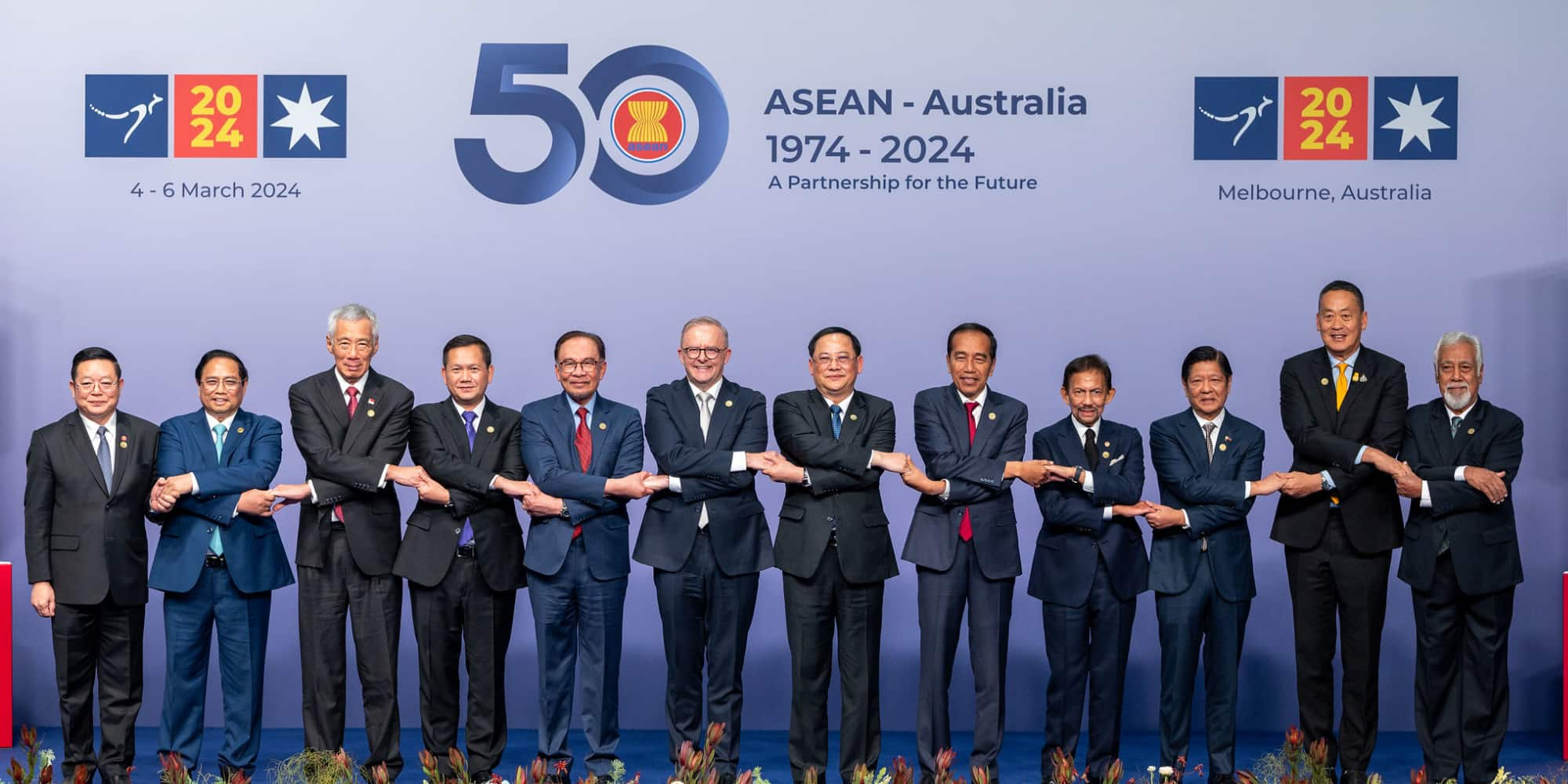
Southeast Asia is experiencing a period of remarkable economic and social progress. As the founder of KUMPUL.id, the largest entrepreneurship ecosystem enabler in Indonesia, I am deeply invested in fostering this growth trajectory. The partnership between ASEAN and Australia presents a unique opportunity for mutual benefit, particularly in propelling regional economic integration and shaping a dynamic Indo-Pacific. This article, written following my attendance at the Emerging Leaders' Dialogue held in conjunction with the ASEAN-Australia Special Summit explores key themes to strengthen this critical partnership. It will delve into avenues for deeper economic engagement, cultural exchange, and strategic regional development.
Fostering Economic Interdependence: A Win-Win Proposition
Existing ASEAN-Australia economic ties, solidified by the ASEAN-Australia-New Zealand Free Trade Agreement (AANZFTA), offer a robust foundation for further growth. However, navigating complex regulations and a lack of awareness, especially among smaller businesses, can hinder this potential. Streamlining procedures and establishing dedicated knowledge-sharing platforms are crucial steps to empower entrepreneurs and unlock these opportunities.
Several industries offer fertile ground for collaborative ventures. Australia's expertise in agriculture and clean energy aligns perfectly with ASEAN's aspirations for food security and environmental sustainability. Joint ventures and knowledge transfer in these sectors can significantly drive regional progress. Additionally, ASEAN's young, digitally savvy population presents a dynamic market for Australian digital technologies. Conversely, ASEAN's burgeoning startup ecosystem can benefit immensely from Australia's established venture capital landscape, fostering a mutually beneficial exchange of knowledge and resources.
In the ever-evolving landscape of international relations, Australia's strategic vision towards ASEAN nations must transcend conventional paradigms. A nuanced approach, grounded in the principles of dialogue partnership and collaborative potential, is essential for harnessing the untapped opportunities that lie in the heart of this dynamic region.
ASEAN, a bastion of peace with a collective population exceeding 660 million, emerges as a formidable force on the global stage, surpassing even the United States. The prospect of collaboration extends beyond the abundance of natural resources to embrace the cultural richness and heritage embedded in these nations, providing an expansive canvas for shared endeavours.
Despite the promise held by ASEAN, Australia's investment commitment in the region stands at a mere 3% of its total global investment stock, a figure that belies the tremendous potential awaiting exploration. Trust emerges as a linchpin in this endeavour, prompting critical questions about its viability within ASEAN nations. However, a beacon of hope emanates from Indonesia, where strong economic growth and a staggering $US 90.2 billion in investments in 2023 (of which $US 47 billion was foreign) defy conventional narratives surrounding trust.
Indonesia's success in attracting investment showcases the transformative power of dialogue and collaboration. With Indonesia's ambitious investment targets surpassed, Australia's foreign direct investment in Indonesia rose 4% to reach US$545.2 million in 2023, a modest increase that nonetheless is a testament to the efficacy of a proactive engagement strategy.
Beyond Trade Agreements: Building a Cohesive Regional Identity and Strengthening ASEAN’s Core through Internal Reforms
While trade agreements are instrumental, a strong ASEAN-Australia partnership requires robust people-to-people connections. Educational and cultural exchange programs are essential to cultivate a sense of shared identity and a regional community. Encouraging youth exchange programs, fostering artistic collaborations, and supporting joint research initiatives can effectively bridge the cultural gap. This will not only strengthen economic interdependence but also contribute to a more peaceful and collaborative Indo-Pacific.
The crux of the matter lies not only in recognising the importance of a dialogue partner forum, particularly with Australia as a near neighbour, but also in recalibrating the narrative to fortify the shared vision of ASEAN and Australia. To this end, ASEAN nations must make concerted efforts to enhance unity and performance, focusing on creating a more efficient ecosystem and more concrete policies that encourage transnational and unified growth. Some examples of policies that might support entrepreneurship, innovation, small business and digital commerce include simplified taxation or tax rebates, easier access to working permits and medical services, and knowledge sharing through academic institutions.
To maximise the potential of its regional architecture, ASEAN needs to address internal challenges. Streamlining trade regulations and harmonising standards are essential steps towards achieving deeper economic integration. Additionally, promoting greater transparency and good governance practices will enhance ASEAN's credibility as a regional leader.
Navigating Geopolitical Currents: A Commitment to Stability
The Indo-Pacific is a complex geopolitical landscape. ASEAN and Australia can play a vital role in promoting peace and stability by fostering open dialogue and upholding the principles of a rules-based international order. Collaborative efforts on maritime security, disaster management, and conflict resolution are crucial for establishing a more secure and predictable regional environment.
Unlocking ASEAN's Economic Potential: A Strategic Roadmap
As ASEAN aspires to achieve high-income status, strategic economic development is paramount. Investing in infrastructure, particularly digital, is essential to create an environment conducive to innovation and entrepreneurship. Additionally, focusing on upskilling and reskilling the workforce to meet the demands of the digital age is crucial for regional competitiveness.
Addressing income inequality and promoting social inclusion are equally important. Encouraging the development of micro, small, and medium enterprises (MSMEs) can create employment opportunities and contribute to a more equitable distribution of wealth. Finally, embracing the green energy transition presents a significant opportunity for economic growth while simultaneously ensuring environmental sustainability.
Amid the myriad opportunities for collaboration, the startup industry stands out as low-hanging fruit, offering a platform for effective C-level exchanges. This calls for the establishment of borderless regulations as incentives, removing barriers that impede the seamless flow of ideas and resources. There is a need to create more landing pads for startups and creative-industry entrepreneurs to explore markets in this region.
A Shared Vision for a Thriving Indo-Pacific
As ASEAN countries continue to enhance their capacities, a clarion call is extended to Australia to reciprocate with increased trust and investment. Beyond economic gains, such collaboration promises to unlock the rich cultural heritage embedded in the region, fostering a symbiotic relationship that transcends traditional diplomatic frameworks.
In conclusion, the imperative for strengthened ASEAN-Australia collaboration is underscored by the geographical proximity and shared aspirations of both entities. It is a journey that demands a shift in mindset, a commitment to building trust, and a vision for a shared future that embraces the diverse tapestry of cultures and perspectives. The potential for prosperity and mutual understanding beckons, urging us to embark on this transformative voyage hand in hand.
Faye Wongsodiredjo is the CEO and Co-founder of KUMPUL, a startup and entrepreneurship ecosystem builder.
This article is part of a series of op-eds published in conjunction with the Emerging Leaders' Dialogue of the ASEAN-Australia Special Summit convened in Melbourne between 4 and 6 March in a partnership between the Australian Government and Asialink.
How can we help? Get in touch to discuss how we can help you engage with Asia